
Introduction
Most chromatographers are familiar with conventional silica-based reversed-phase columns, yet there are alternative stationary phase technologies that can provide unique retention mechanisms and solve difficult separation challenges.
This white paper presents a concise question-and-answer discussion between Professor Joseph J. Pesek, co-developer of the Cogent TYPE-C™ Silica technology, and LCGC Magazine. The conversation explores how silica hydride-based stationary phases differ from traditional silica materials and why these columns have become valuable tools for many analytical laboratories.
Why TYPE-C™ Silica Is Different
Unlike conventional silica supports that contain a high concentration of surface silanol (Si-OH) groups, TYPE-C™ Silica is based on a silica hydride surface in which most of the silanol functionality has been replaced with: Silicon Hydride (Si-H) Groups
This distinctive surface chemistry creates chromatographic behavior that differs from traditional silica-based stationary phases and can provide alternative selectivity for challenging separations. Because of these differences, TYPE-C™ columns have been successfully used in applications involving:
- Highly polar compounds
- Difficult-to-retain analytes
- Mixed-mode separations
- Aqueous Normal Phase (ANP) chromatography
- Reversed-phase chromatography
- LC-MS methods
Discussion with Professor Joseph J. Pesek
The white paper features a brief dialogue with Professor Pesek discussing:
- The development of silica hydride technology
- How TYPE-C™ columns differ from conventional phases
- Practical applications where TYPE-C™ materials can be advantageous
- Why many chromatographers may be unfamiliar with this technology despite its long history of successful use
The discussion provides helpful insight into the underlying chemistry and chromatographic benefits of silica hydride stationary phases.
White Paper Illustration
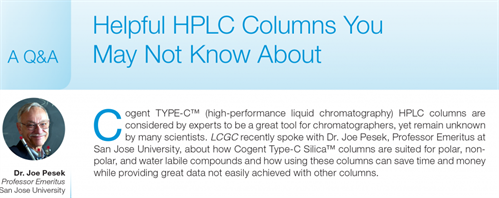
Professor Joseph J. Pesek discusses the unique properties and practical advantages of Cogent TYPE-C™ Silica chromatography columns in a featured Q&A article with LCGC Magazine.
Who Should Read This White Paper?
This resource may be particularly valuable for:
- HPLC method developers
- LC-MS analysts
- Chromatographers troubleshooting difficult separations
- Scientists working with highly polar compounds
- Researchers interested in alternative stationary phase technologies
- Laboratory professionals seeking new selectivity options
White Paper Download
Conclusion
While conventional silica columns dominate many chromatography laboratories, alternative technologies such as Cogent TYPE-C™ Silica have provided unique separation capabilities for many years. This white paper offers an informative discussion with Professor Joseph J. Pesek describing the development, chemistry, and practical advantages of silica hydride stationary phases and why they continue to be useful tools for challenging HPLC separations.