Date: 27-JUNE-2012 Last Updated: 8-SEPTEMBER-2026
Introduction
As LC-MS and LC-MS/MS methods continue to push detection limits lower, the cleanliness of every component that comes into contact with the sample becomes increasingly important. Autosampler vials and inserts can be a significant source of background contamination if the plastic materials contain additives, processing aids, or extractable compounds that leach into the sample. For this reason, polypropylene vials intended for mass spectrometry applications should be designed with a focus on chemical purity, low extractables, and lot-to-lot consistency.
Why Polypropylene Selection Matters in LC-MS
Many plastic laboratory consumables are manufactured using additives that improve:
- Mold release
- Processing speed
- Appearance
- Durability
- Polymer stability
While these additives may be acceptable for routine laboratory applications, they can introduce unwanted compounds into highly sensitive LC-MS analyses. Potential effects include:
- Elevated background signals
- Increased baseline noise
- Ghost peaks
- Unexpected adduct formation
- Reduced sensitivity
- Variable quantitative performance
For trace-level analyses, even very small amounts of leachable materials can affect results.
Ultra-Virgin Polypropylene Construction
MICROSOLV polypropylene autosampler vials and inserts are manufactured using an ultra-virgin polypropylene formulation selected specifically for analytical applications. This material is chosen to help minimize:
- Extractables
- Processing residues
- Plastic-derived contaminants
- Unwanted background signals
Because the resin is not recycled or reprocessed, the resulting products maintain a more consistent material profile from batch to batch.
Benefits for LC-MS Workflows
Using cleaner polypropylene materials can help support:
Lower Background Noise
- Reducing extractable compounds can help improve the signal-to-noise ratio and enable more sensitive detection of low-level analytes.
Improved Reproducibility
- Consistent polymer purity helps reduce variability caused by vial-derived contaminants.
Enhanced Method Robustness
Minimizing leachable materials can reduce unexpected analytical issues during:
- Method development
- Method validation
- Routine testing
- Stability studies
Better Long-Term System Cleanliness
- Cleaner sample contact materials may help reduce contamination of the LC-MS system over time.
Common Sources of Plastic-Derived Contamination
Background contamination can originate from additives used during plastic manufacturing, including:
- Mold-release agents
- Polymer stabilizers
- Clarifiers
- Antioxidants
- Processing aids
These materials can occasionally migrate into samples and become detectable by modern mass spectrometers. Careful resin selection and tightly controlled manufacturing practices help minimize these risks.
Polypropylene Inserts for Low-Volume Samples
In addition to full-size polypropylene vials, polypropylene inserts may also be useful when:
- Sample volumes are limited
- Maximum sample recovery is required
- LC-MS sensitivity is critical
- Small injection volumes are used
Properly designed inserts can help reduce sample loss while maintaining the cleanliness needed for high-sensitivity analytical methods.
Product Illustrations
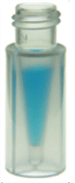
Polypropylene 300 ul autosampler vial manufactured using ultra-virgin polypropylene for LC-MS applications.
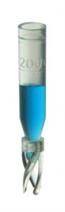
Polypropylene insert designed for low-volume sample handling and improved recovery.
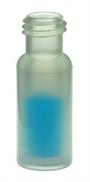
Complete polypropylene vial and insert configuration for sensitive LC-MS analyses.
Applications
Ultra-clean polypropylene vials and inserts are commonly used for:
- LC-MS methods
- LC-MS/MS methods
- Biopharmaceutical analysis
- Trace-level quantitation
- Metabolomics
- Environmental testing
- Clinical research
- Low-concentration analyte studies
These applications often demand the highest possible level of consumable cleanliness.
Conclusion
Polypropylene autosampler vials and inserts designed specifically for LC-MS applications can help reduce the impact of extractables, additives, and plastic-derived contaminants on analytical results. By utilizing ultra-virgin polypropylene and carefully controlled manufacturing processes, these products support lower background levels, improved reproducibility, and greater confidence in mass spectrometry workflows.