Low‑pressure polymeric or plastic tubing is used in chromatography and laboratory systems where chemical inertness, flexibility, and solvent compatibility are required rather than high‑pressure tolerance. This category includes PTFE, ETFE (Tefzel®), PFA, and FEP tubing commonly used in HPLC solvent handling, mobile‑phase inlet lines, waste lines, and auxiliary low‑pressure fluid paths.
Low‑pressure tubing is an essential component of HPLC and LC systems and is typically used before the injector, after the detector, and at mobile‑phase reservoirs, as well as in low‑pressure LC and general laboratory applications.
All MICROSOLV™ polymeric tubing is manufactured from virgin, chemically pure materials and is selected to meet the needs of analytical and regulated laboratory workflows.
Where Low‑Pressure Polymeric Tubing Is Used
Low‑pressure tubing is commonly applied:
Upstream of the pump (mobile‑phase inlet tubing)
Downstream of the detector (“to‑waste” lines)
In solvent transfer and conditioning workflows
In low‑pressure LC and auxiliary laboratory systems
Where metal‑free and chemically inert flow paths are desired
Correct material selection helps maintain solvent purity and system reliability.
Available Polymeric Tubing Materials
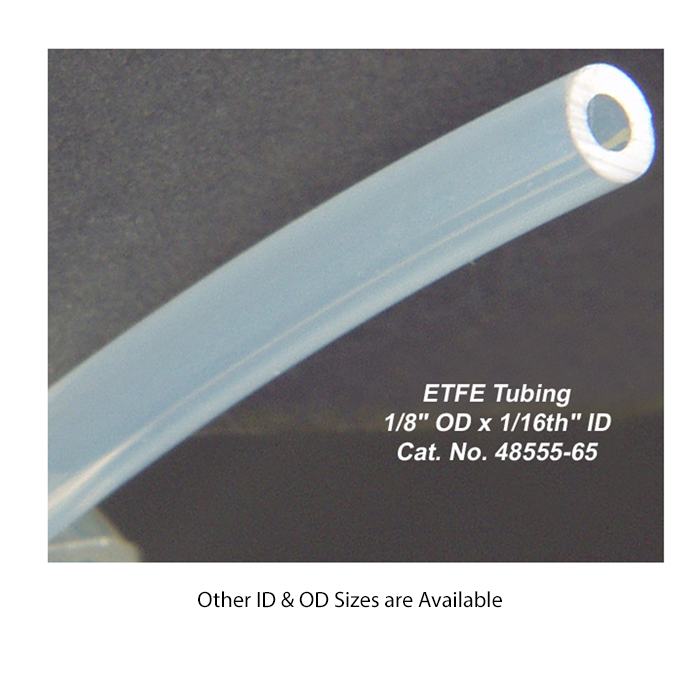
ETFE (Tefzel®) Tubing
ETFE tubing offers the highest pressure capability among low‑pressure polymeric options and is frequently used in mobile‑phase delivery and conditioning applications.
Key characteristics:
Extruded from virgin ETFE with no additives
Relatively high burst‑pressure for low‑pressure tubing
Widely used in low‑ and medium‑pressure laboratory systems
Important consideration: ETFE is not resistant to all organic solvents. Certain solvents may cause swelling, which can reduce pressure stability. Compatibility should be confirmed before use.
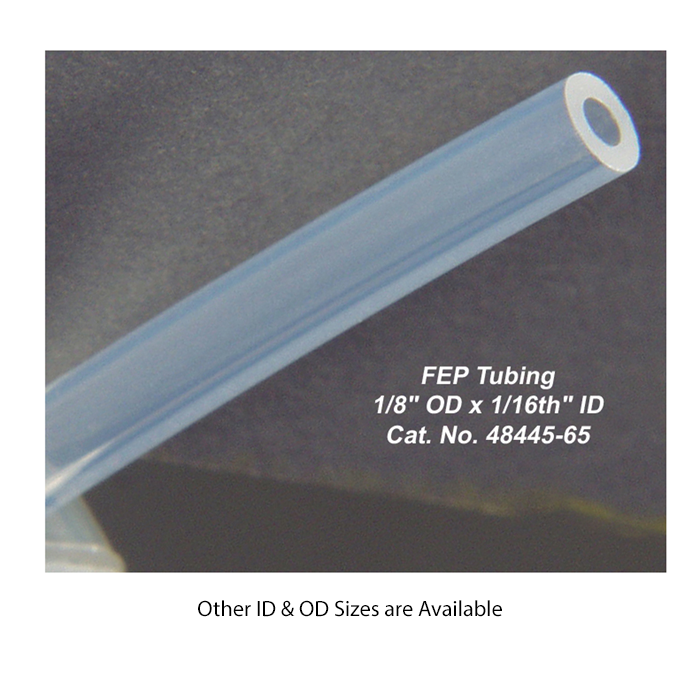
FEP (Fluorinated Ethylene Propylene) Tubing
FEP tubing is commonly used in applications requiring excellent chemical resistance and flexibility, particularly in ion chromatography.
Key characteristics:
Extruded from virgin FEP
Flexible and chemically inert
Recommended maximum operating temperature: 80 °C
FEP tubing is not suitable for elevated‑temperature applications.
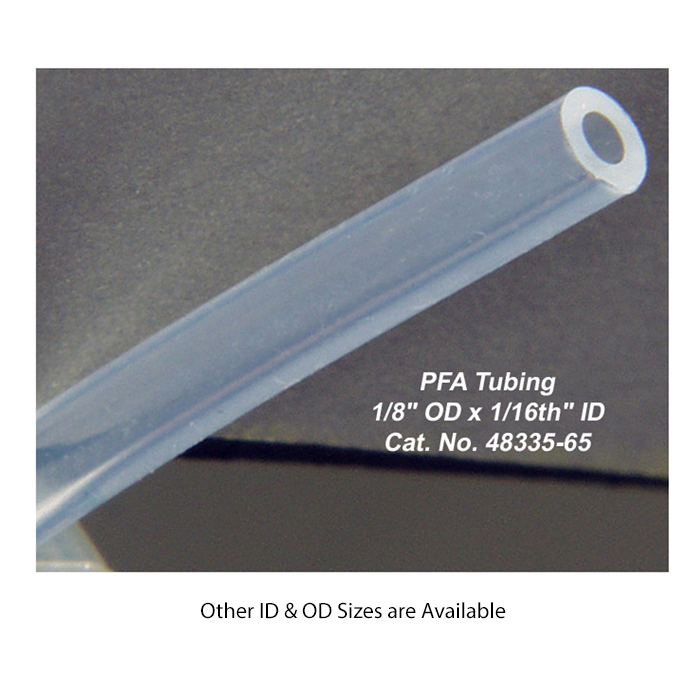
PFA (Perfluoroalkoxy) Tubing
PFA tubing offers many of the benefits of PTFE with lower permeability and improved structural characteristics.
Key characteristics:
Extruded from virgin PFA
Less permeable than PTFE
Contains fewer micro‑pores in the tubing wall
Well suited for solvent handling where permeability is a concern
PFA tubing is often selected when minimizing gas permeation is important.
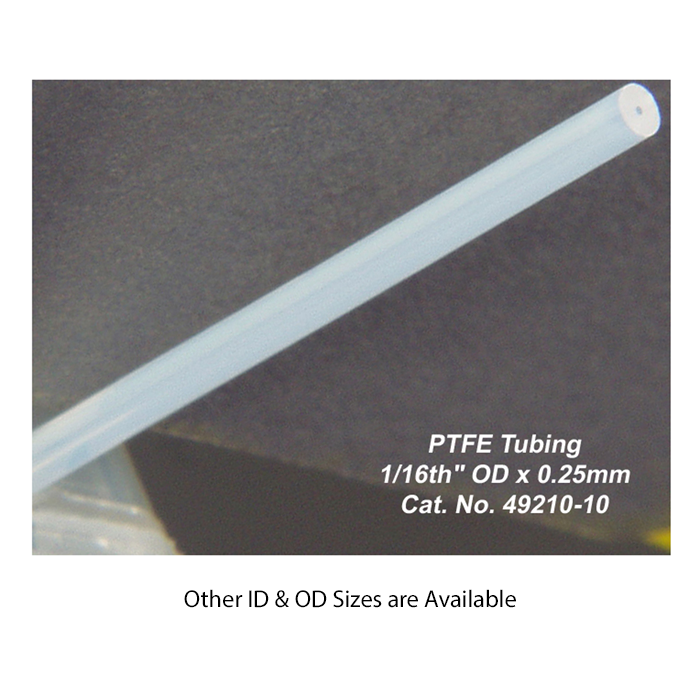
PTFE (Polytetrafluoroethylene, Teflon™) Tubing
PTFE tubing is the most economical option for low‑pressure laboratory applications and is widely used for solvent transfer and general fluid handling.
Key characteristics:
Extruded from virgin PTFE
Excellent chemical inertness
Contains micro‑pores in the tubing wall
Important consideration: The micro‑porosity of PTFE allows gas exchange, which may be undesirable for degassed or oxygen‑sensitive solvents. This should be considered when selecting PTFE tubing for analytical workflows.
Purity & Manufacturing Control
All MICROSOLV™ low‑pressure polymeric tubing:
Is manufactured from virgin base polymers
Contains no fillers or performance‑altering additives
Uses color particles only for external identification, when applicable
This ensures chemical inertness and predictable behavior in analytical applications.
Selection Guidance
Choice of polymeric tubing should consider:
Solvent compatibility
Pressure requirements
Temperature conditions
Sensitivity to gas permeability
Location within the chromatography system
Selecting the correct material improves system stability and solvent integrity.
Specifications
👉 View tubing specifications and available sizes
Related Categories