
Overview
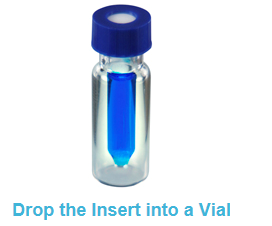
The performance of the U-2D™ Micro-Sample Management System depends on the precise interaction between the insert and the autosampler vial. To achieve consistent sample positioning, reliable automation performance, and reproducible analytical results, the vial dimensions must remain within tightly controlled manufacturing tolerances.
For this reason, MICROSOLV recommends the use of AQ™ brand autosampler vials with all U-2D™ inserts.
Supported vial styles include:
- 9 mm screw-top vials
- 9 mm snap-top vials
- Wide-opening autosampler vials designed to U-2D™ specifications
Why Vial Dimensions Matter
The U-2D™ system relies on the vial body to properly support and position the insert during sample preparation, storage, transport, and automated analysis.
Critical dimensional characteristics include:
- Overall vial height
- Internal body geometry
- Bottom height consistency
- Base profile
- Internal taper dimensions
Variation in any of these specifications can affect insert positioning and system performance.
Benefits of AQ™ Brand Vials
AQ™ autosampler vials are manufactured to dimensional specifications that have been evaluated for compatibility with U-2D™ inserts.
Benefits include:
- Consistent insert positioning
- Reliable alignment during autosampler operation
- Improved sealing performance
- Reduced risk of handling errors
- Enhanced workflow reproducibility
- Consistent manufacturing quality
These characteristics are particularly important in automated sample preparation and high-throughput analytical environments.
Use of Third-Party Vials
Many standard 12 × 32 mm wide-opening autosampler vials from other manufacturers may physically accept a U-2D™ insert.
However, dimensional variations between manufacturers can influence performance.
Potential differences may include:
- Bottom-height variability
- Body taper variations
- Length inconsistencies
- Internal geometry differences
These variations may affect insert seating and automation performance.
Potential Effects of Dimensional Variability
When vial dimensions vary from design specifications, users may encounter:
- Inconsistent insert positioning
- Variable pickup heights
- Reduced automation accuracy
- Alignment variability
- Seal consistency issues
Because these dimensional characteristics are not controlled across all vial manufacturers, compatibility cannot be assured for every third-party vial option.
Recommended Practice
For maximum performance and reproducibility:
- Use AQ™ autosampler vials with U-2D™ inserts.
- Maintain consistent vial sourcing throughout validated workflows.
- Verify compatibility before implementing alternative vial brands.
- Evaluate automation performance when making component changes.
Following these practices helps maintain consistent results across analytical workflows.
Key Takeaways
- AQ™ vials are the recommended vial platform for U-2D™ inserts.
- Dimensional consistency is critical for proper insert positioning.
- Tight manufacturing tolerances support automation reliability.
- Third-party vials may fit mechanically but can vary dimensionally.
- Vial selection can influence reproducibility, alignment, and sample handling performance.
- Consistent vial specifications help maximize U-2D™ system performance.
Additional Resources
For insert configurations, sample management accessories, automation compatibility information, product images, and ordering information, view:
U-2D™ Micro-Sample Management System Specifications, Accessories, Product Images, and Ordering Information