
Bromhexine HPLC Method Development - Tech Information
June 20, 2014
/
/
/
/
Date: 20-JUNE-2014 Last Updated: 30-AUGUST-2026
Learn how to optimize Bromhexine HPLC methods using a Cogent™ Bidentate C18™ column. Improve peak shape, simplify mobile phase preparation, and increase LC-MS compatibility by replacing phosphate buffers with volatile acidic additives.
Mobile phase:
20:80 Potassium di-hydrogen phosphate buffer - Potassium di-hydrogen phosphate 1.0 g, add 900 ml DI water, then change pH to 7.0 with 0.5 mol / L NaOH solution and dilution it to 1000 ml with DI water / acetonitrile
Column temperature: 40° CDetection: UV @ 245 nm
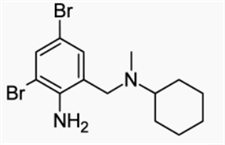
Bromhexine Structure
Suggestion: Try using a Cogent Bidentate C18™ Column. The compound should be adequately retained under Reversed Phase conditions. Instead of the phosphate buffer, consider using an acidic additive such as 0.1% formic acid. The pH 7 conditions used here may not be ideal for optimum peak shape of this compound.In addition, phosphate buffers are not LCMS compatible, thereby limiting the scope of the method. Also phosphate buffers have been known to permanently alter the selectivity of HPLC columns. The mobile phase will also be simpler to prepare with an acid additive.
