Laboratory‑grade tubing is a critical component in chromatography and analytical systems, forming the fluidic pathways for solvents, samples, and waste. This category includes PEEK tubing, stainless‑steel tubing, and low‑pressure polymer tubing, along with accessories designed to support HPLC, UHPLC, LC‑MS, GC, CE, and general laboratory applications.
Proper tubing selection directly affects system pressure stability, dead volume, chemical compatibility, and long‑term performance. All tubing in this category is manufactured from carefully selected raw materials and controlled processes to ensure reliability and reproducibility in analytical workflows.
Tubing Types & Applications
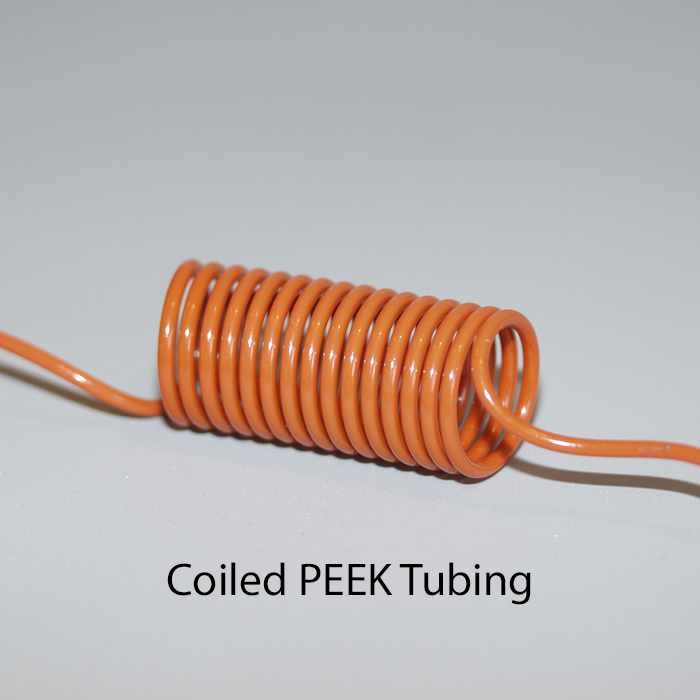
FlexiTubes™ – Space‑Saving PEEK HPLC Tubing
FlexiTubes™ are coiled PEEK tubing assemblies designed to reduce clutter and improve solvent flow management. The coiled design incorporates built‑in pulse‑dampening behavior, helping stabilize flow while conserving bench space.
FlexiTubes™ are commonly used for:
Solvent delivery lines
Pump connections
Space‑constrained HPLC setups
👉 View FlexiTubes™ PEEK tubing options
High‑Pressure PEEK Tubing
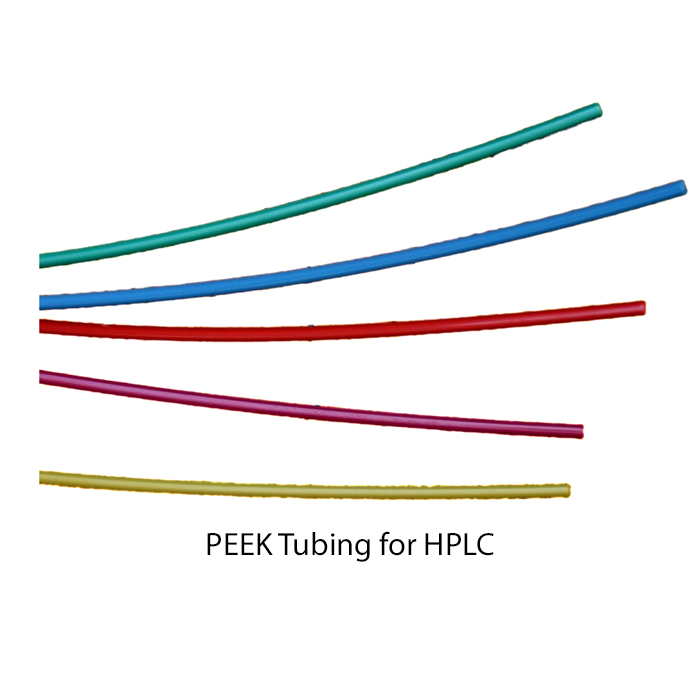
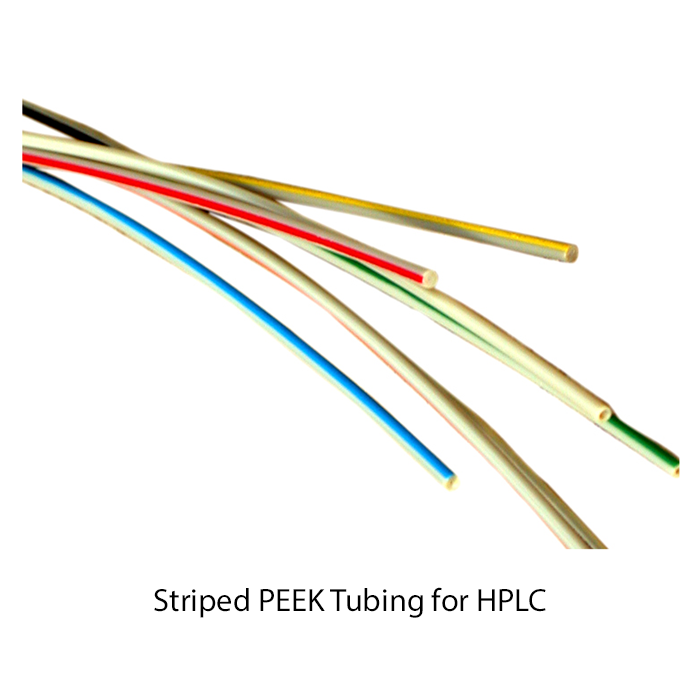
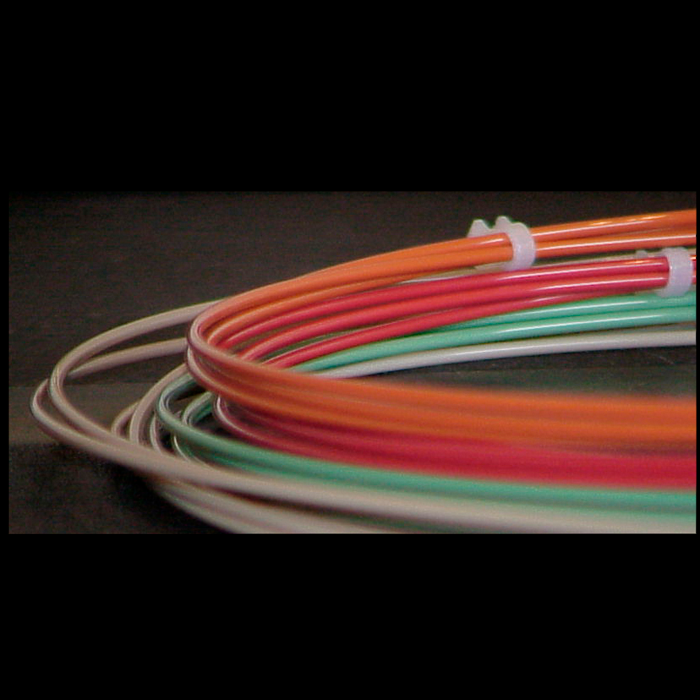
PEEK tubing is widely used in HPLC systems due to its balance of flexibility, bioinertness, and pressure tolerance. It is suitable for pressures up to approximately 5,000 psi, depending on internal diameter and configuration.
PEEK tubing features:
Ease of cutting and installation
Compatibility with most common HPLC solvents
Reduced risk of kinking compared to metal tubing
Short, properly sized PEEK tubing lengths help minimize system dead volume and maintain chromatographic efficiency.
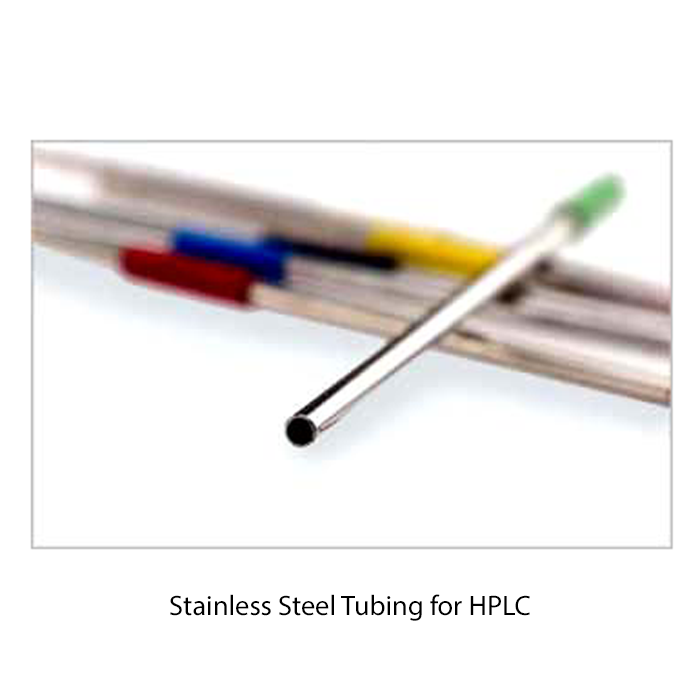
High‑Pressure Stainless‑Steel Tubing
Stainless‑steel (SS) tubing is selected for applications requiring maximum pressure resistance and solvent durability. It is commonly used in high‑pressure regions of HPLC and UHPLC systems.
Key considerations for stainless‑steel tubing:
Requires precise cutting to ensure square, burr‑free ends
Susceptible to kinking if mishandled, which disrupts flow and performance
Benefits from dedicated preparation tools for cutting and straightening
To restore damaged tubing, dedicated straightening tools such as the Beta Tool‑2™ tubing straightener may be used.
👉 Learn about tubing straightening tools
Low‑Pressure Polymeric Tubing
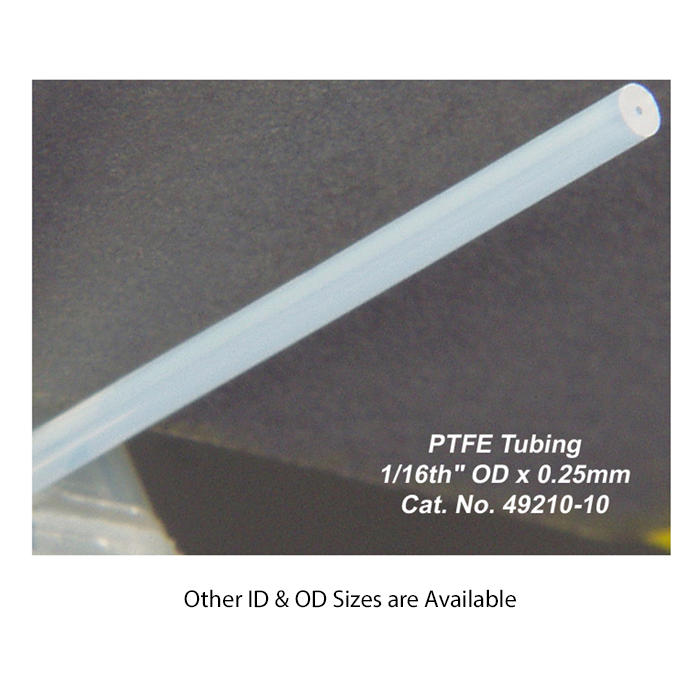
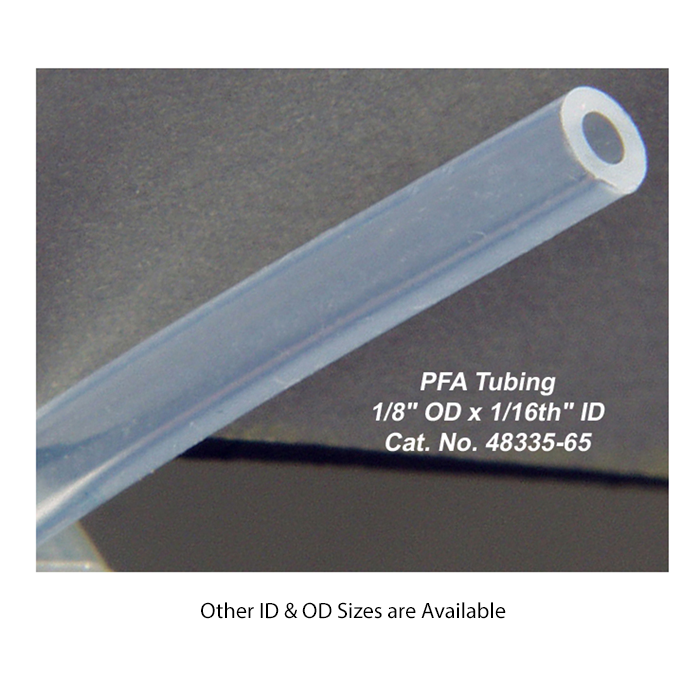
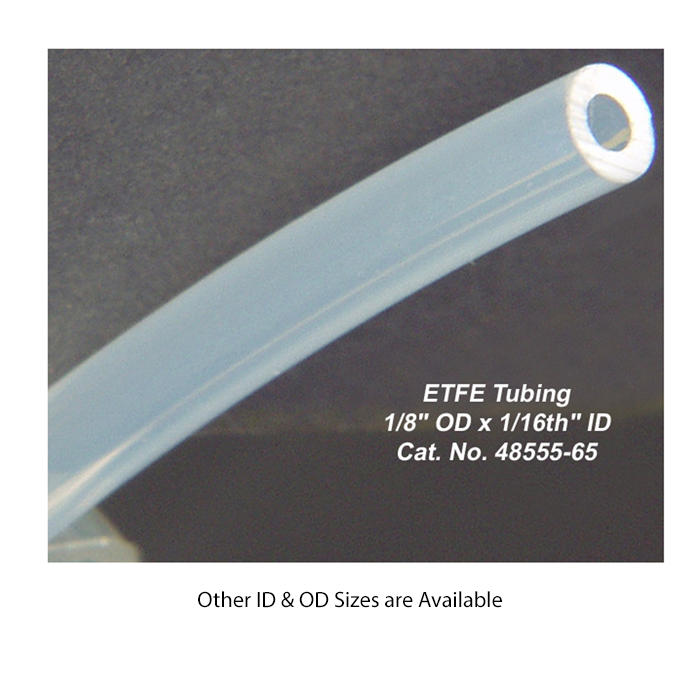
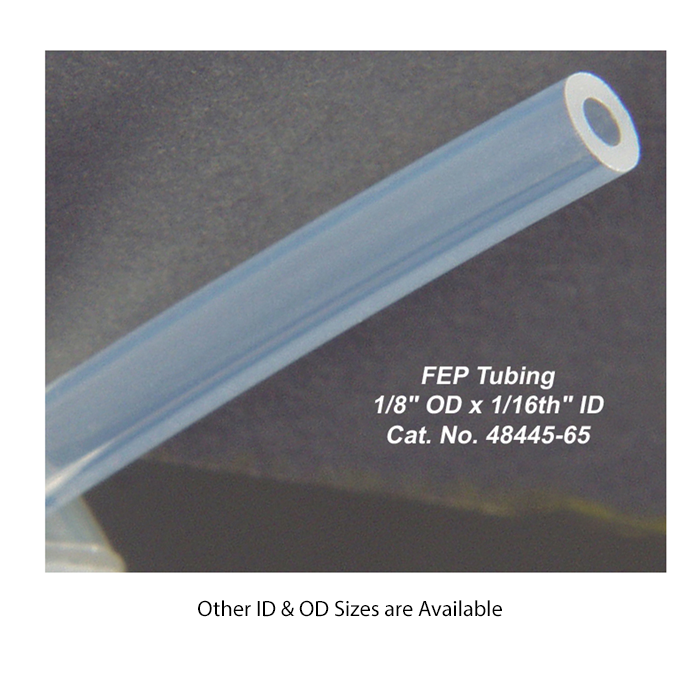
Low‑pressure tubing materials—including PTFE, PFA, FEP, and ETFE—are used where chemical inertness and flexibility are required rather than pressure resistance.
These materials are commonly used:
Upstream of the pump (mobile‑phase inlet tubing)
Downstream of the detector (“to‑waste” lines)
In low‑pressure LC and general laboratory systems
All MICROSOLV™ low‑pressure tubing is manufactured from pure, chemically inert polymers suitable for routine solvent handling.
Cutting, Routing & Tubing Preparation Tools
Proper tubing performance depends on clean cuts, correct routing, and avoidance of stress or deformation. This category includes tubing tools designed to:
Produce consistent, square cuts
Prevent burr formation
Restore tubing geometry after handling damage
Correct preparation reduces leaks, dead volume, and pressure instability.
Fittings & Compatibility Guidance
Tubing performance is closely tied to proper fitting selection.
👉 View HPLC connection fittings
For mobile‑phase connections immersed directly in solvents, it is recommended to use PEEK or ETFE fittings and ferrules to ensure chemical compatibility and long‑term performance.
👉 Learn more about selecting PEEK or ETFE fittings for solvent‑immersed connections
Applications & Use Cases
Laboratory‑grade tubing in this category is commonly used for:
HPLC and UHPLC solvent delivery
LC‑MS fluid paths
GC and CE systems
Method development and system modification
Analytical, pharmaceutical, and research laboratories
OEM and system‑integration builds
Related Categories