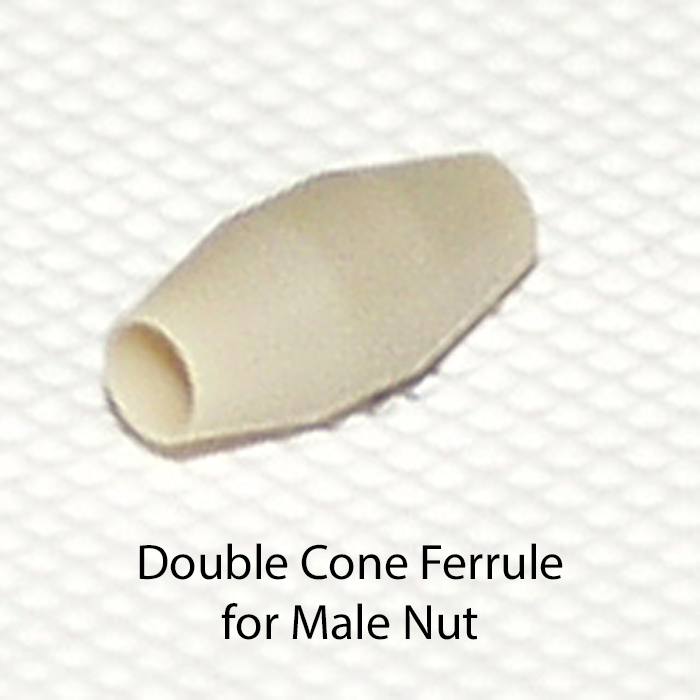
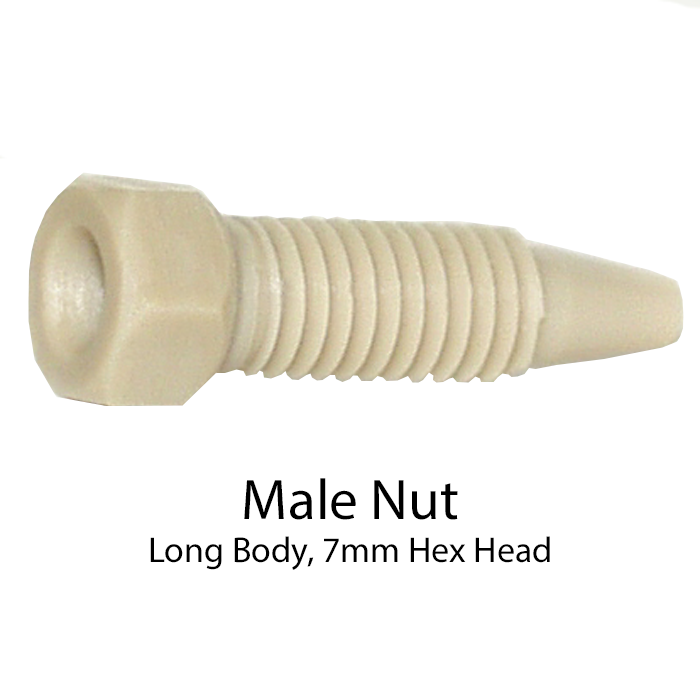
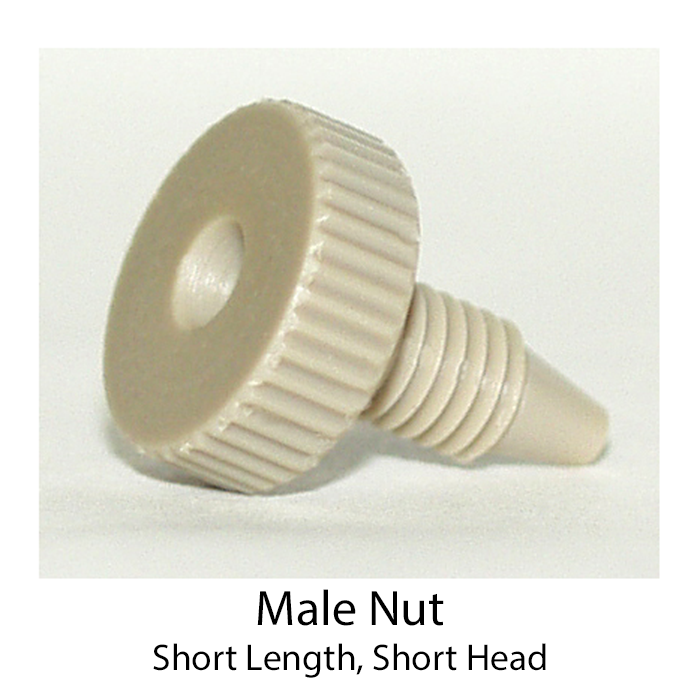
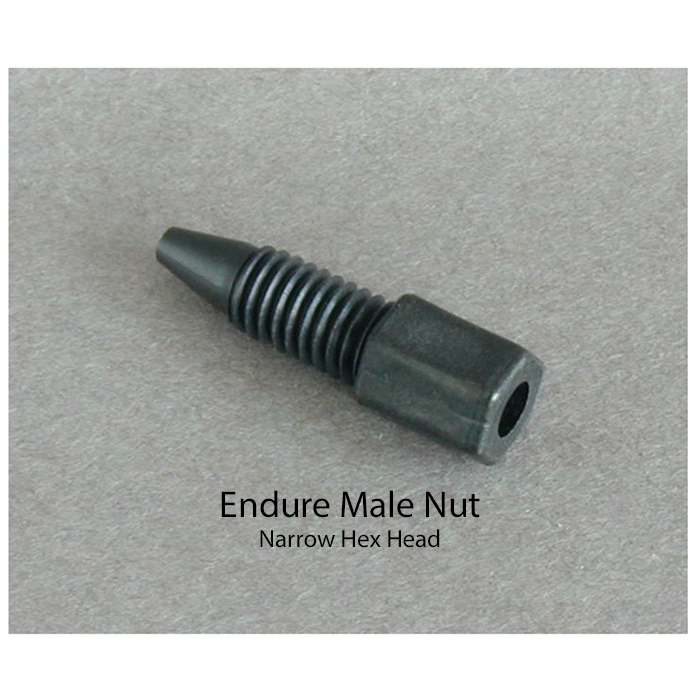
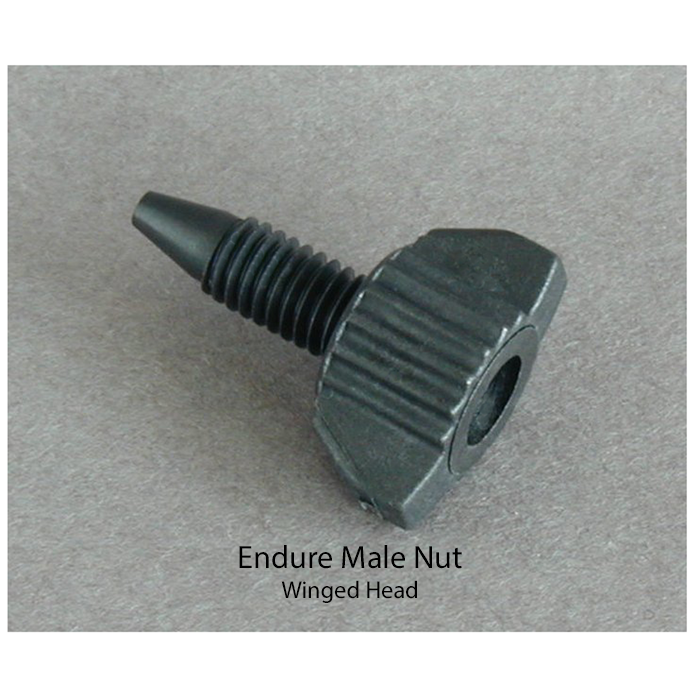
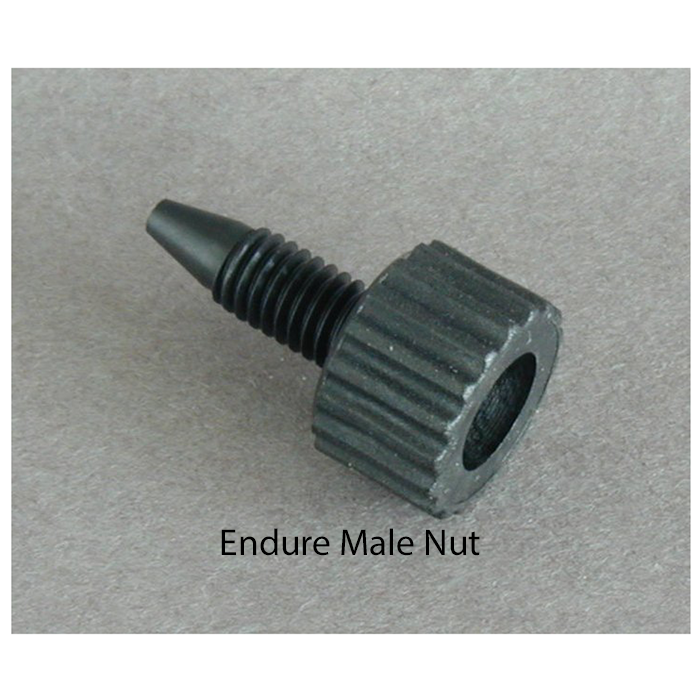
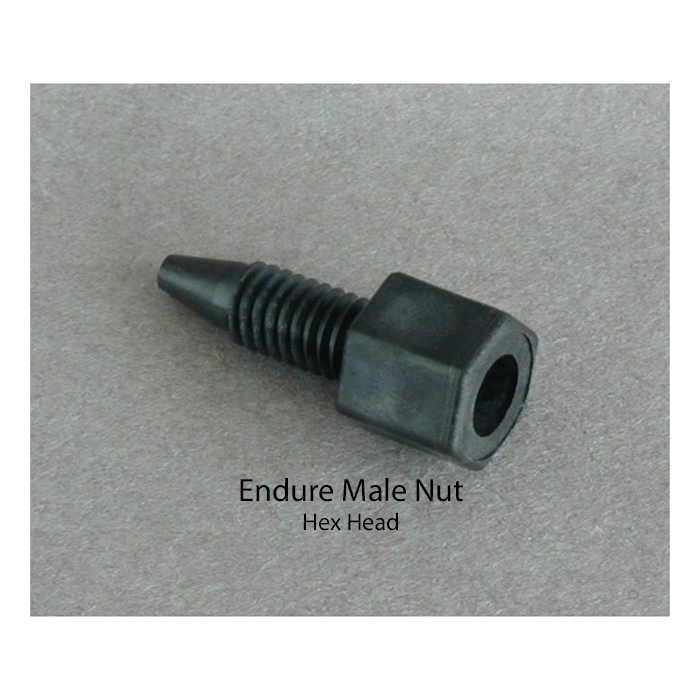
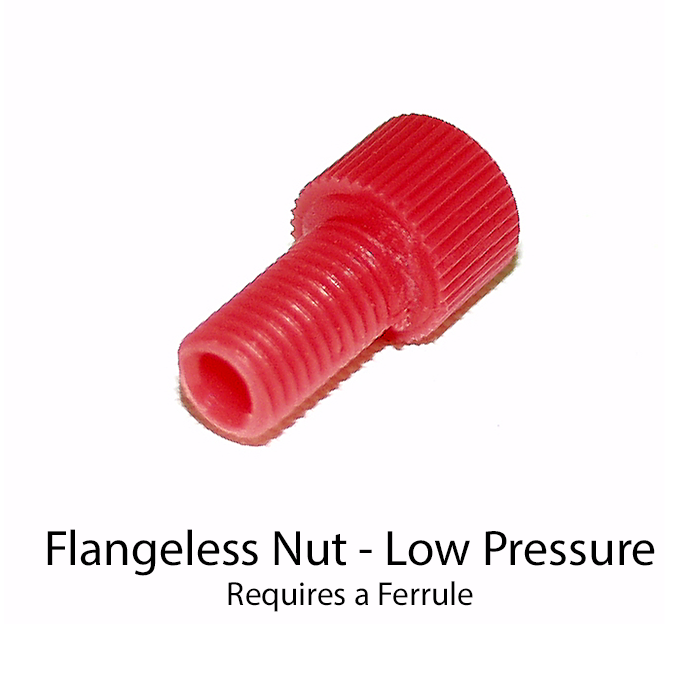
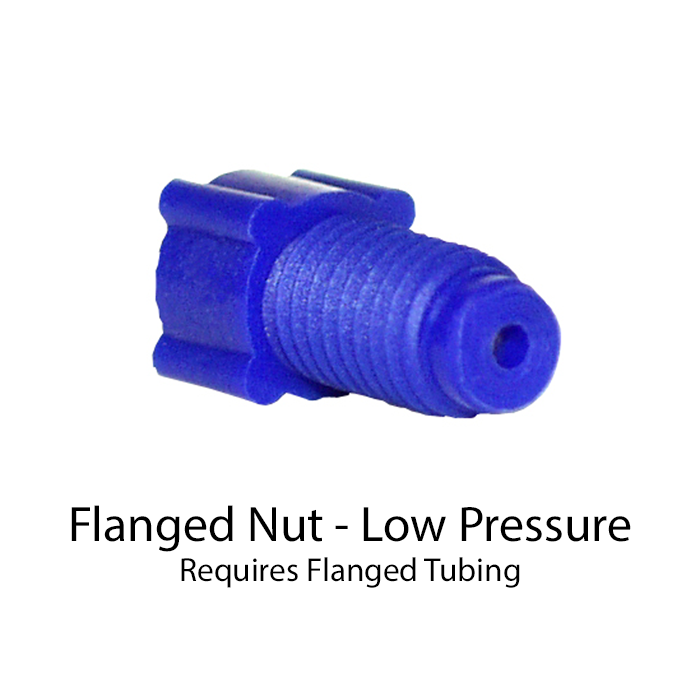
HPLC nuts, ferrules, and fluidic connection components are the mechanical elements that form reliable, low‑dead‑volume connections between tubing, columns, valves, and detectors in liquid chromatography systems.
While pumps and columns define analytical capability, connection integrity determines consistency. Poorly matched or worn fittings can introduce leaks, air ingress, pressure instability, and unwanted dead volume—leading to degraded peak shape, reduced reproducibility, and preventable downtime.
This category brings together the core connection components used to build, maintain, and standardize HPLC plumbing across analytical laboratories, service environments, and OEM system designs.
What This Category Includes
This category includes the hardware used to terminate tubing and create sealed connections throughout HPLC systems, such as:
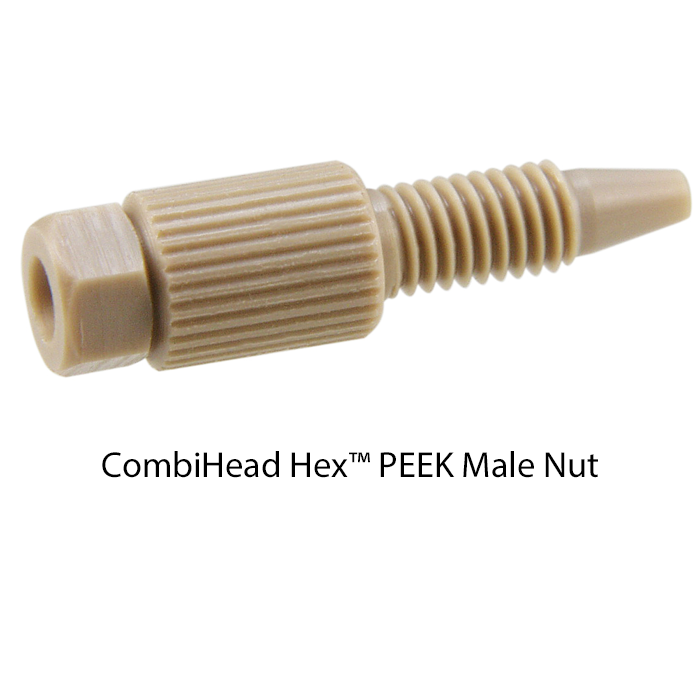
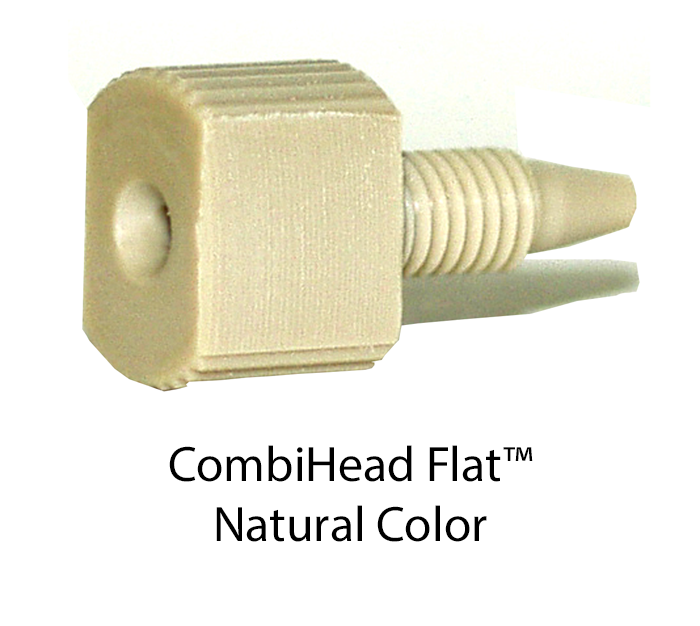
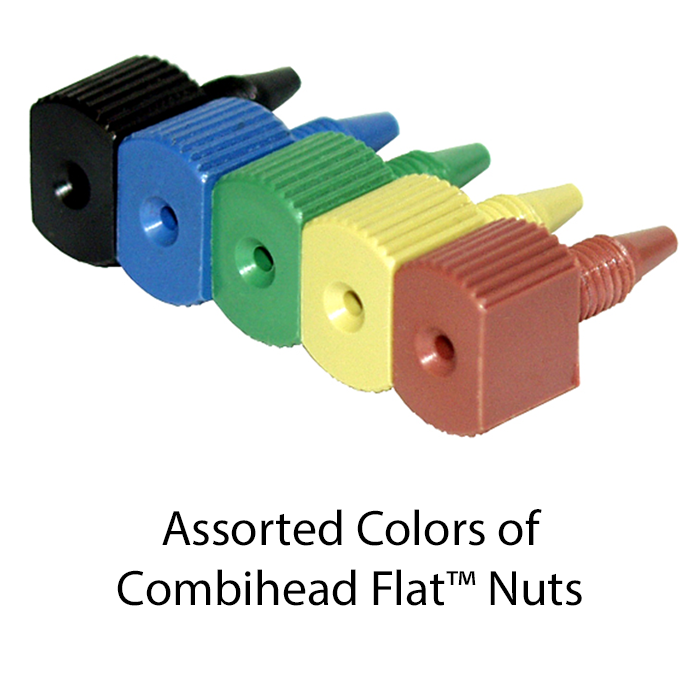
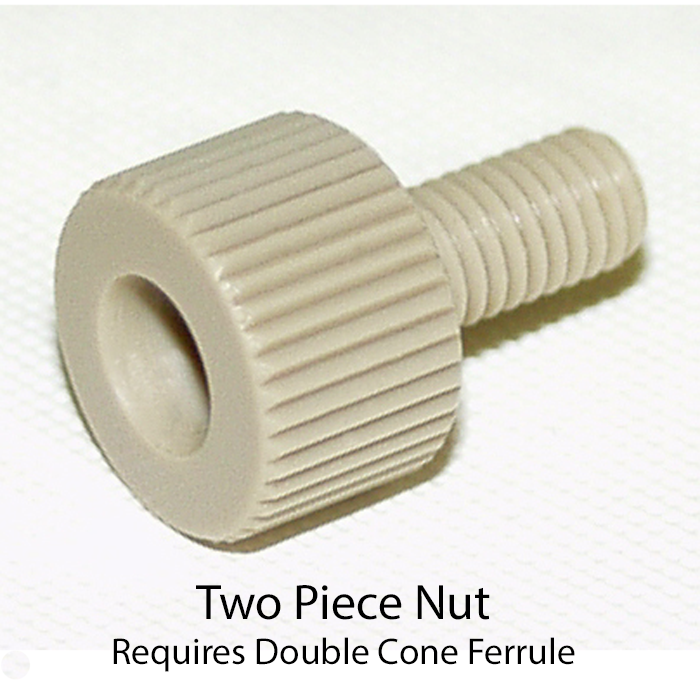
One‑piece and two‑piece nut‑and‑ferrule systems
High‑pressure connection components for downstream flow paths
Low‑pressure fittings used before the pump or after detection
Adaptive and self‑aligning connection technologies
Polymer and metal fittings selected for pressure and solvent compatibility
These components are used from solvent delivery through detection.
Why Connection Components Matter in HPLC
Chromatography performance depends on a continuous, well‑aligned flow path with minimal dead volume. Small errors at connection points can result in:
Peak broadening and loss of resolution
Pressure fluctuations and baseline instability
Leaks that worsen over time
Premature wear of tubing, valves, and instrument ports
Using properly matched nuts and ferrules helps maintain performance and extend instrument life.
One‑Piece vs Two‑Piece Nut & Ferrule Systems
HPLC connections are commonly made using either:
One‑piece systems, which integrate the nut and ferrule for fast, convenient installation
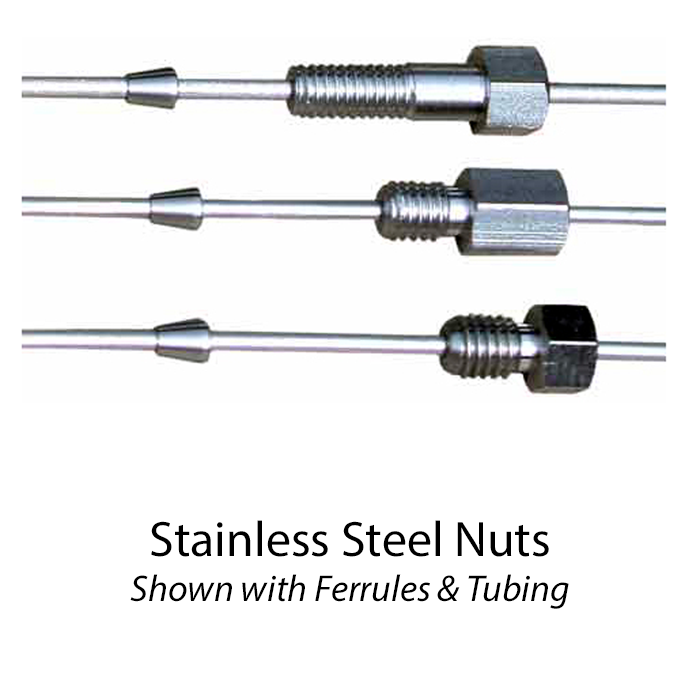
Two‑piece systems, which use separate nuts and ferrules and offer better durability and reuse in high‑pressure or frequently serviced connections
Selection depends on pressure requirements, tubing material, and service practices.
High‑Pressure vs Low‑Pressure Applications
Connection requirements vary depending on where the fitting is used within the system:
Using fittings designed for the appropriate pressure zone reduces leaks and extends component life.
Adaptive & Self‑Aligning Connection Technologies
In systems where tubing must interface with components from multiple manufacturers—or where configurations change frequently—adaptive connection technologies reduce installation variability.
Self‑aligning fittings automatically compensate for differences in port depth or alignment, helping prevent excess dead volume and minimizing errors during column changes or system reconfiguration.
These technologies are particularly valuable in multi‑column laboratories, shared instruments, and OEM system designs.
Materials & Chemical Compatibility
Fluidic connection components are available in a range of materials to match system chemistry and performance needs, including:
Stainless steel for high‑pressure and rugged applications
PEEK and carbon‑filled polymers for bio‑inert or metal‑free systems
ETFE and related polymers for chemical resistance in solvent‑rich environments
Material selection should consider solvent exposure, temperature, pressure, and analytical sensitivity.
Standardization, Service & Long‑Term Reliability
Standardizing nuts and ferrules across instruments:
Reduces installation errors
Simplifies training and maintenance
Improves repeatability between systems
Encourages consistent re‑ordering and stocking
For service engineers and laboratories supporting multiple systems, consistent connection components are a practical way to reduce variability and downtime.
Solvent‑Immersed Connection Guidance
For mobile‑phase connections that are immersed directly in solvents, it is recommended to use PEEK or ETFE fittings and ferrules to ensure chemical compatibility and long‑term reliability.
👉 Learn more about selecting PEEK or ETFE fittings for solvent‑immersed HPLC connections
Related Categories